The evening after the walk
Today a site inspection report is written twice. The inspector walks the frame in an hour or two, then spends the evening turning the photos into a document: find the note, write the sentence, decide pass or fail, place it on the firm's Word template. The contractor reads it two days later, as a PDF on an email thread.
With Inspection Engine the walk is the report. A sentence is written from each photo as the inspector takes it, and issuing puts the report on the project where the general contractor, the owner and the lender already read, the same afternoon.
The inspector keeps the two calls that need a license
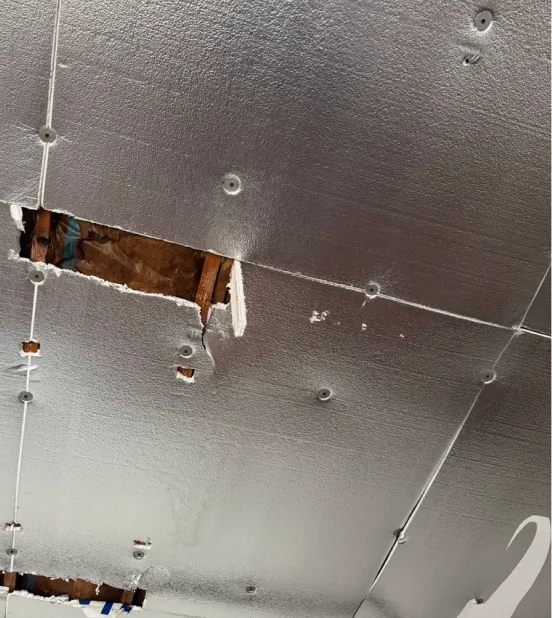
The inspector, an architect or an engineer walking the site, still decides which condition to photograph and whether it passes; the engine writes the sentence. Each photo and its note become one short sentence that names an element and its condition, told to name the crack, the gap or the misalignment rather than call something "damaged", and to describe only what is visible in the frame. The project's building type and jurisdiction go in with the photo, so it looks for different things on a pre-engineered metal building than on a podium residential. Every engine-written line is flagged as generated, and an inspector's overwrite is stored beside it, so over time the descriptions drift toward how the firm writes.
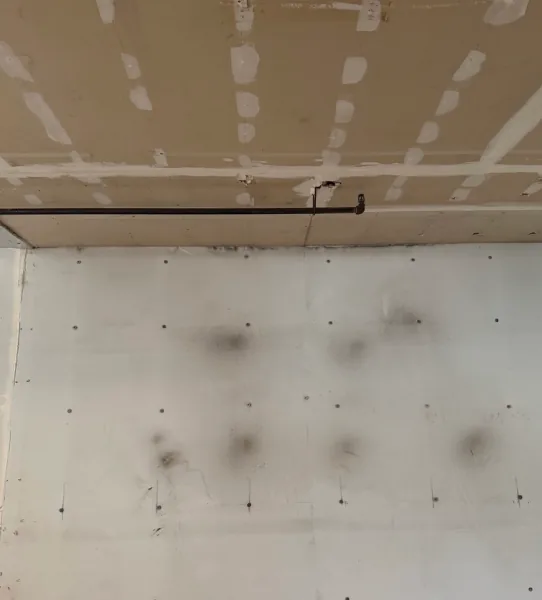
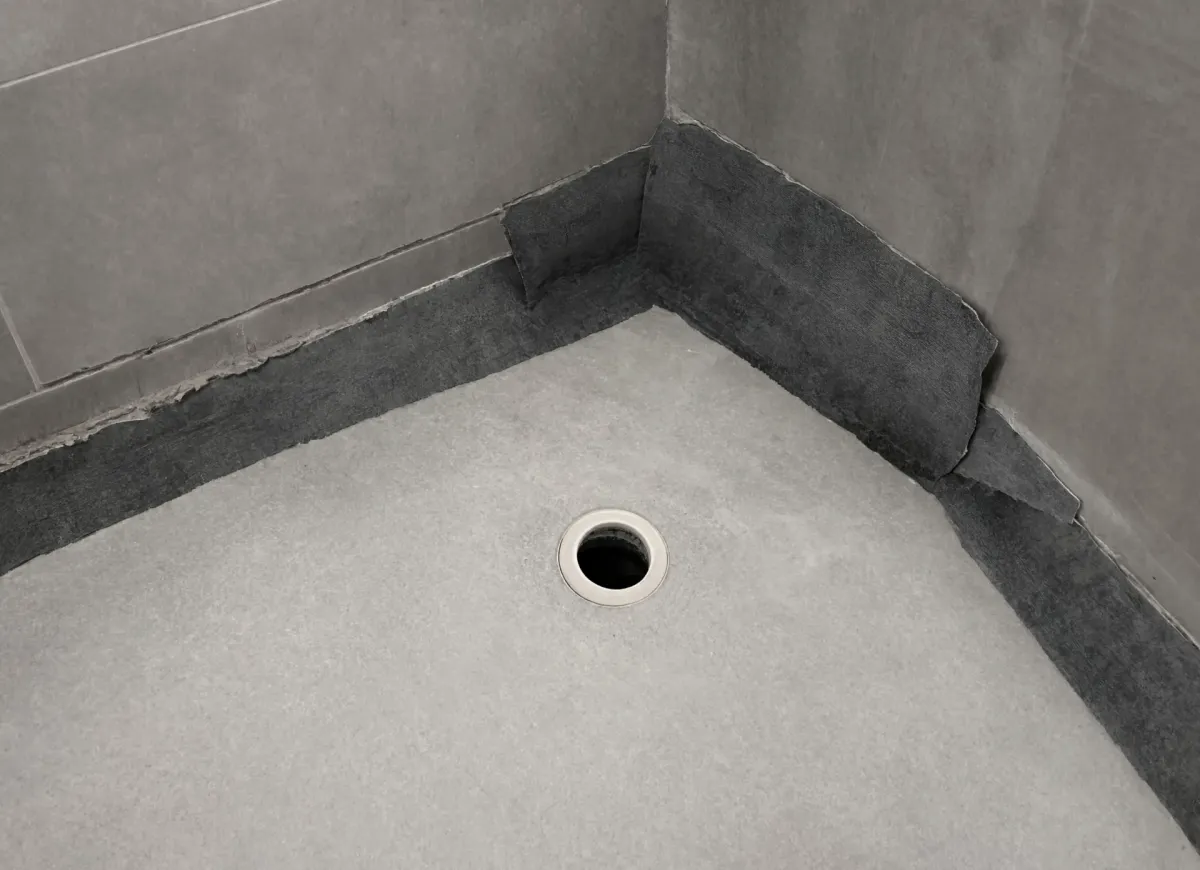
The contractor reads it the same afternoon
Issuing a report puts it on the project record the general contractor already works in, with no attachment and no email thread; the finding they have to fix and the photo it came from are in front of them the afternoon the frame was walked. A failed finding can carry a proposed corrective step, and the whole report renders into nine languages, so the erector's foreman reads the same walk as the architect without a second write-up.
The owner and the lender can rely on it
For readers with no login, the owner, the AHJ, the lender, a share link opens the report on the web, and the PDF carries a return link on every page, so a printed copy still points at the live record. An issued report carries the issuer and the time, and changing it means reverting it to draft and issuing again; that is what lets a lender put a loan draw behind it, because the inspection that releases the money is the record the owner read.